


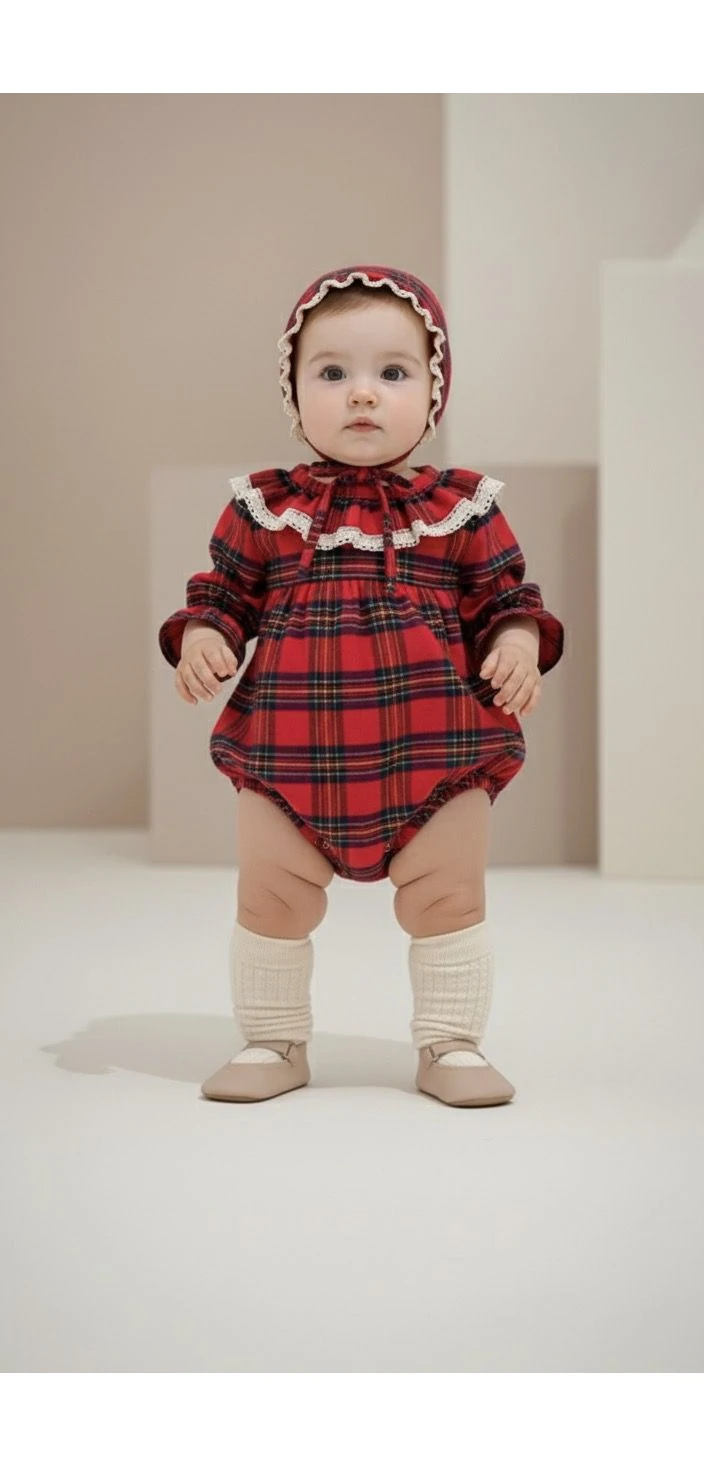
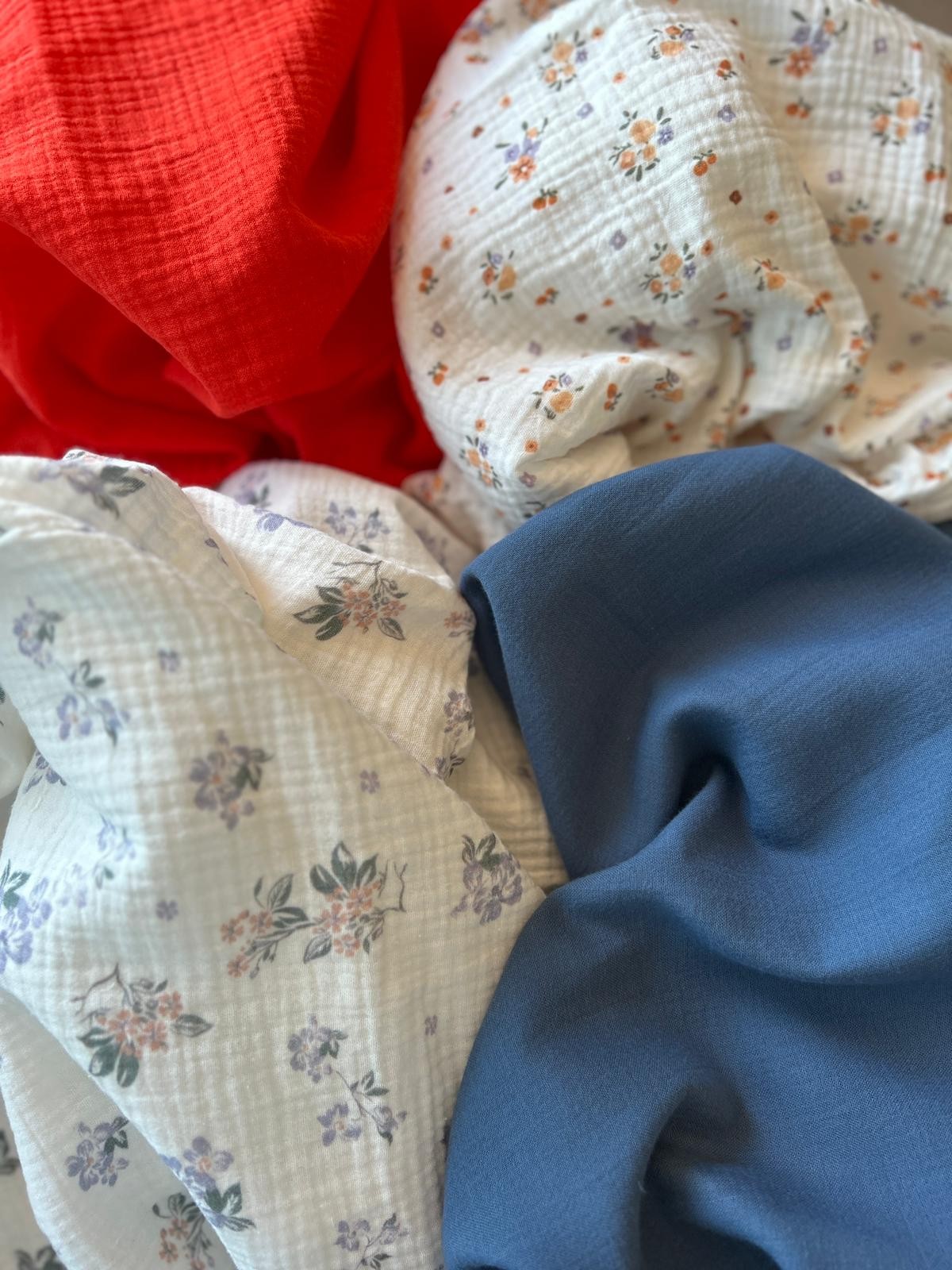
With growing consumer awareness, organic fabrics have become a rising trend in the textile and fashion industry — and for good reason. Especially in baby clothing, children’s wear, and sustainable fashion, organic fabric is not just a healthier option, but also a reflection of environmentally responsible production.
So, what exactly is organic fabric? How does it differ from traditional fabrics, and why is it so important?
In this article, we explore everything from the definition of organic fabric to how it compares with conventional textiles, as well as its certifications, use cases, and long-term benefits for brands and consumers.
What Is Organic Fabric?
Organic fabric is made from natural fibers that are grown without the use of synthetic fertilizers, pesticides, GMOs, or toxic chemicals. The most common types of organic fabric include:
- Organic cotton
- Organic linen
- Organic bamboo
But being “organic” goes beyond the raw material. From farming to processing, dyeing, and finishing, every stage of production follows environmentally and socially responsible practices.
Key Differences Between Organic and Conventional Fabrics
Organic fabrics differ from standard fabrics in more ways than one. Let’s look at the main distinctions:
1. Raw Material Cultivation
| Conventional Fabric | Organic Fabric |
| Grown with synthetic chemicals | Grown naturally, without pesticides |
| Often uses GMO seeds | Non-GMO, certified organic seeds |
Why it matters: Organic farming protects soil health, water sources, and farm workers, while reducing environmental pollution.
2. Processing and Dyeing
Conventional fabrics are often treated with harsh chemical dyes and finishes, while organic textiles use low-impact or plant-based dyes and eco-friendly processes.
Result: Less environmental harm, safer contact with skin, and fewer allergic reactions — especially important for babies and sensitive skin.
3. Certifications and Traceability
Organic fabrics are verified by independent organizations through strict criteria. Common certifications include:
- GOTS (Global Organic Textile Standard)
- OEKO-TEX Standard 100
- OCS (Organic Content Standard)
Why it matters: Certifications ensure full transparency in production, ethical sourcing, and safety for end users.
4. Feel and Comfort
Organic fabrics are typically softer, more breathable, and less irritating than synthetic or chemically treated alternatives. That’s why they are preferred in baby products and intimate wear.
Where Is Organic Fabric Used?
Today, organic fabrics are used in a wide range of products, including:
- Baby textiles: swaddles, blankets, rompers, bibs
- Children’s clothing: dresses, shirts, pajamas
- Women’s fashion: dresses, blouses, tunics
- Home textiles: bedsheets, pillowcases, Turkish towels
- Personal care: exfoliating mitts, face pads, bath accessories
Why Choose Organic Fabric?
- Gentle on the skin
- Better for the planet
- Trusted by health-conscious consumers
- Boosts your brand’s sustainability story
- Durable and long-lasting products
More consumers are now looking beyond aesthetics — they want meaningful, ethical products. Choosing organic fabric isn’t just about making sales — it’s about creating value and trust.
Conclusion: Organic Fabric Is Not a Trend, It’s a Movement
Organic fabrics represent a growing commitment to health, sustainability, and ethical production. For fashion brands — especially those working in babywear, children’s apparel, or eco-conscious collections — organic fabric is no longer a luxury; it's a responsible choice.
Explore Certified Organic Fabrics at Doray Kumaş
At Doray Kumaş, we offer a curated collection of GOTS and OEKO-TEX certified organic fabrics — including muslin, poplin, cotton-linen blends, and more. Discover our soft, breathable, and high-quality options for babywear, womenswear, and sustainable product lines.